In the owner's own words
Calls about a gas fireplace in Buena Park arrive with their own short vocabulary. "It clicks and clicks and never catches." "The little flame comes on, then dies after a minute." "The flames are tall and orange now, and the glass has gone black." "It smells like a car exhaust when it runs." "The glass fogs up white." "The remote does nothing at all."
Each of those sentences points toward a short list of parts. This guide takes them one at a time, says what the repair usually involves, and explains how Guthrie Chimney Company prices it. It is written for owners deciding whether to book a visit, not as a set of instructions: a gas valve and its safety parts are not something to open up yourself.
Rotten eggs come first
Before any of the rest: a strong smell like rotten eggs, or a hiss near the fireplace, is a gas leak until proven otherwise. Switch nothing on or off, take every person and pet out to the sidewalk, and ring the gas utility from there. We come in once the utility has cleared the house, to find the fitting or valve that failed and replace it.
"It clicks and never catches"
The clicking is the igniter making a spark. If no flame follows, either gas is not reaching the pilot or the spark is landing in the wrong spot. Common finds are a pilot opening plugged with dust or a spider web, a spark electrode knocked out of line or cracked, a manual valve that someone turned off at the wall years ago, and weak batteries in the receiver. We start with the cheap and obvious, because nobody should pay for a module when a battery would have done.
"The pilot lights, then dies"
A gas fireplace keeps its valve open only while a small sensor in the pilot flame stays hot. If the flame is too weak to heat it, or the sensor itself has worn out, the valve shuts the gas off on purpose. That is a safety part doing its job. The fix is usually a cleaned pilot hood, a new thermocouple or thermopile, or on some units a fresh pilot assembly. Anyone who offers to bypass that sensor should be shown the door.
"Tall orange flames and black glass"
A healthy gas flame is mostly blue at the base with soft yellow tips. When it turns tall, orange and sooty, the fuel is not mixing with enough air. Logs moved out of their marked positions, burner ports half blocked by lint, an air shutter knocked closed, or on older units a gas pressure problem, can all cause it. Soot on the glass is the visible part. The invisible part is carbon monoxide, which a dirty flame makes far more of. This is the one on the list we would not leave running until the visit.
"It smells like exhaust"
Here the draft problem moves from the flame to the vent. Gas fireplaces come in a few families, and each vents differently:
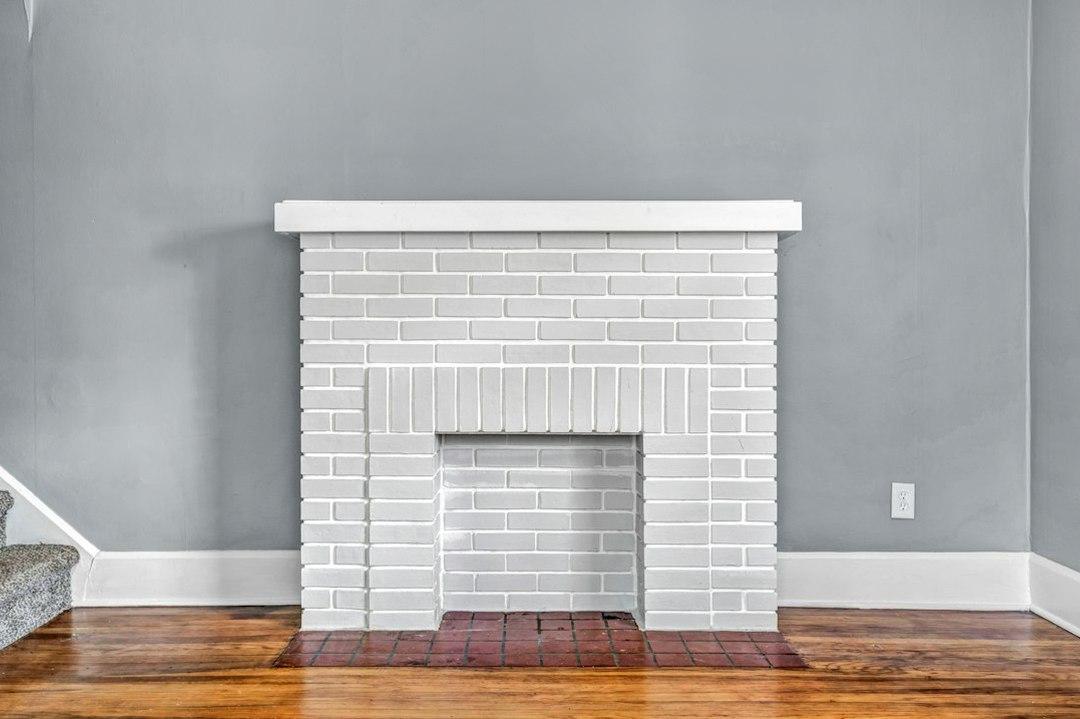
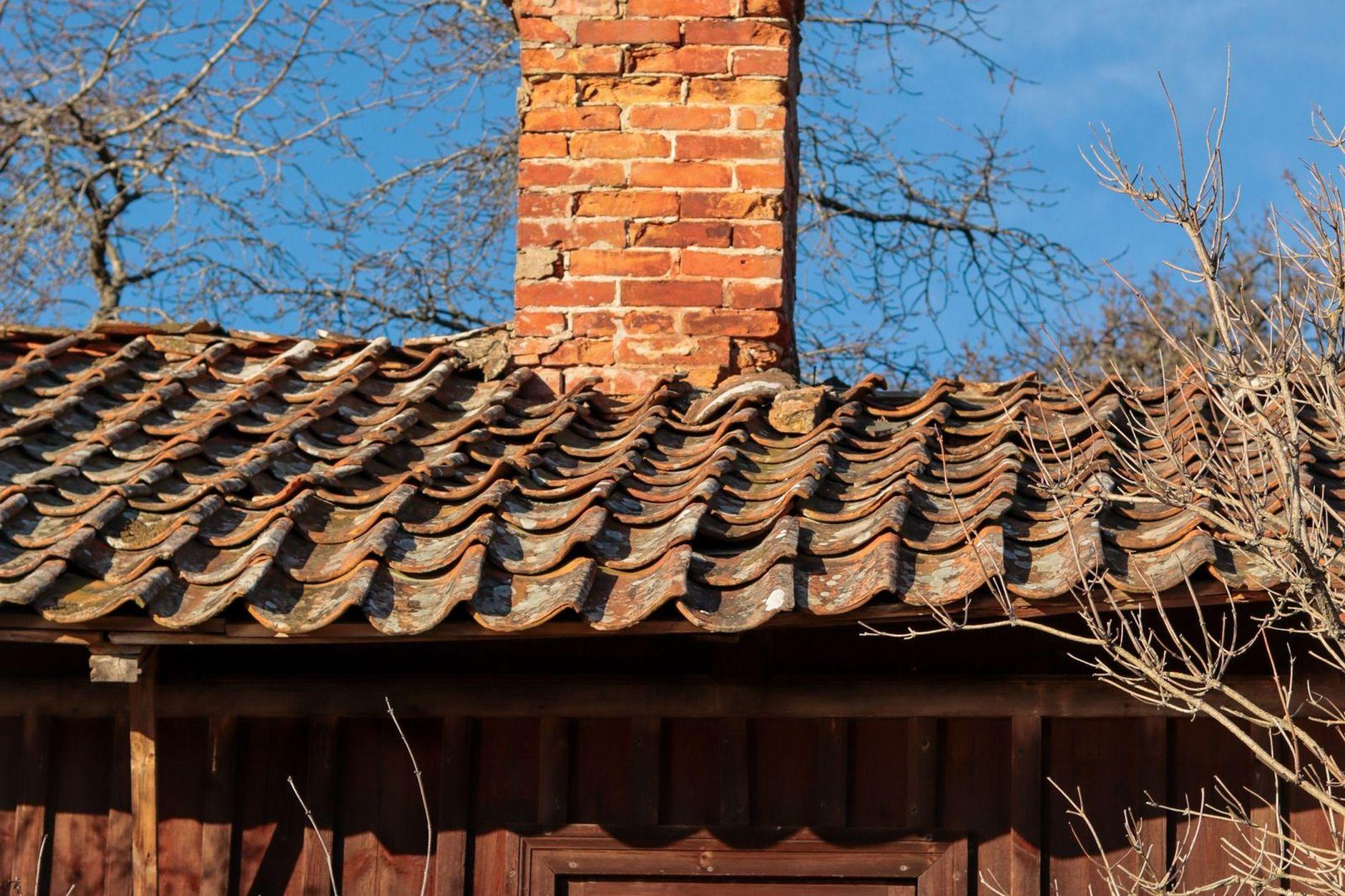
- Gas logs in a brick firebox. The old chimney carries the exhaust, so the damper has to stay locked open. A damper that has crept shut sends fumes into the room.
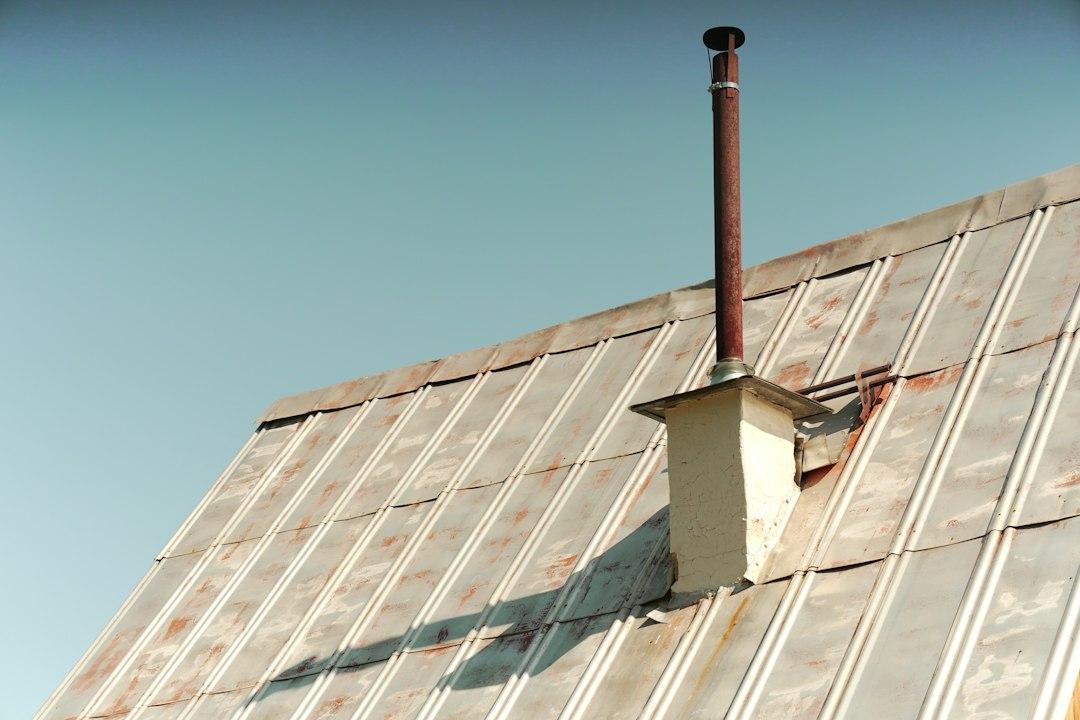
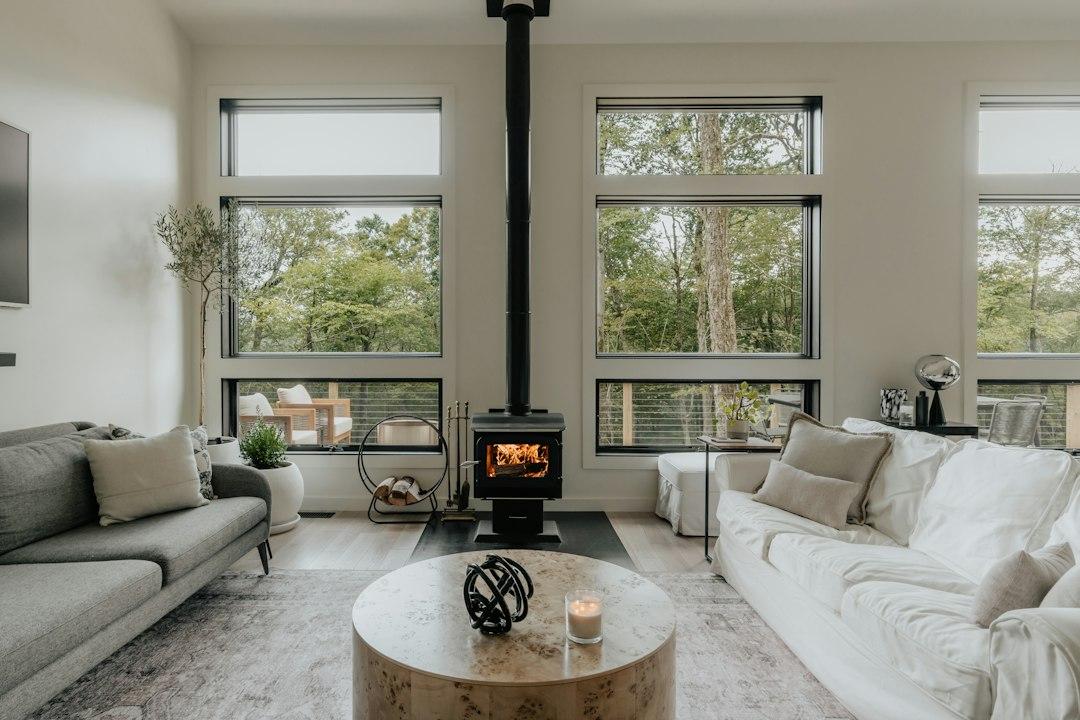
- Natural vent units. A metal pipe runs up through the house and relies on warm exhaust rising, just like a masonry chimney.
- Direct vent units. Sealed behind glass, with a pipe inside a pipe: outside air comes in through the outer ring and exhaust leaves through the core. A loose joint, a torn glass gasket or a nest in the outside terminal lets exhaust escape indoors.
- Vent-free units. No vent at all, which makes a clean flame and a working oxygen sensor matter even more.
A carbon monoxide reading in the room while the unit runs tells us quickly whether the smell is just dust burning off or exhaust that should not be there. Our smoky fireplace guide covers the same question for wood fires.
"White fog on the glass"
A new unit, or one that has just had fresh logs, often clouds its glass for the first few burns as coatings cure. That fades. White film that keeps coming back on an older unit tends to mean incomplete burning or deposits that need cleaning off with the right product. Our gas fireplace cleaning handles that side.
What decides the price
Gas fireplace repair has no fixed rate on our price list, for a plain reason: the same symptom has several causes, and a battery and a gas valve are very different bills. The price depends on which part has failed, the make and age of the unit, whether the part is in stock or has to be ordered, and how hard the burner is to reach behind its surround. After the visit you get a written price for the repair, with each part named, before anything is replaced.
Ask for a gas repair visit and describe what the fireplace does when you try to start it, plus the brand printed inside the lower grille if you can read it.
Repair or replace
Most gas faults are repairable for a fraction of the cost of a new unit. Some are not. When the valve is obsolete, the burner has cracked, or the firebox has rusted through, it can make more sense to replace the whole thing. Two figures we do publish help with that decision:
- A new gas insert, sized to slide into the firebox you already have and vented up a fresh liner: $2,900 to $5,850 fitted.
- A sealed gas fireplace framed into a new spot in the house, with its own vent through a wall or the roof: $4,700 to $9,400.
We will tell you plainly when a repair is the sensible call and when it is money spent on a unit near the end of its life. Our fireplace inserts page has more on the replacement route.
Booking a visit in Buena Park
Gas repair is one of the three services this company leads with, along with fireplace repair and chimney sweeping, so the visit is set up for diagnosis: meter, manometer, spare sensors and the patience to watch the unit misbehave. The full service is described on our gas fireplace repair page.
When the flame is not behaving, start on our contact page. A few words about what the unit does and when it started are enough for us to plan the visit.
Want the Cause Found at Your House?
A Guthrie visit follows the smoke from the firebox to the cap, names what is wrong in plain words and puts the price in writing. Crews work out of Buena Park and cover La Mirada, Artesia, Garden Grove and the other cities on our areas page.