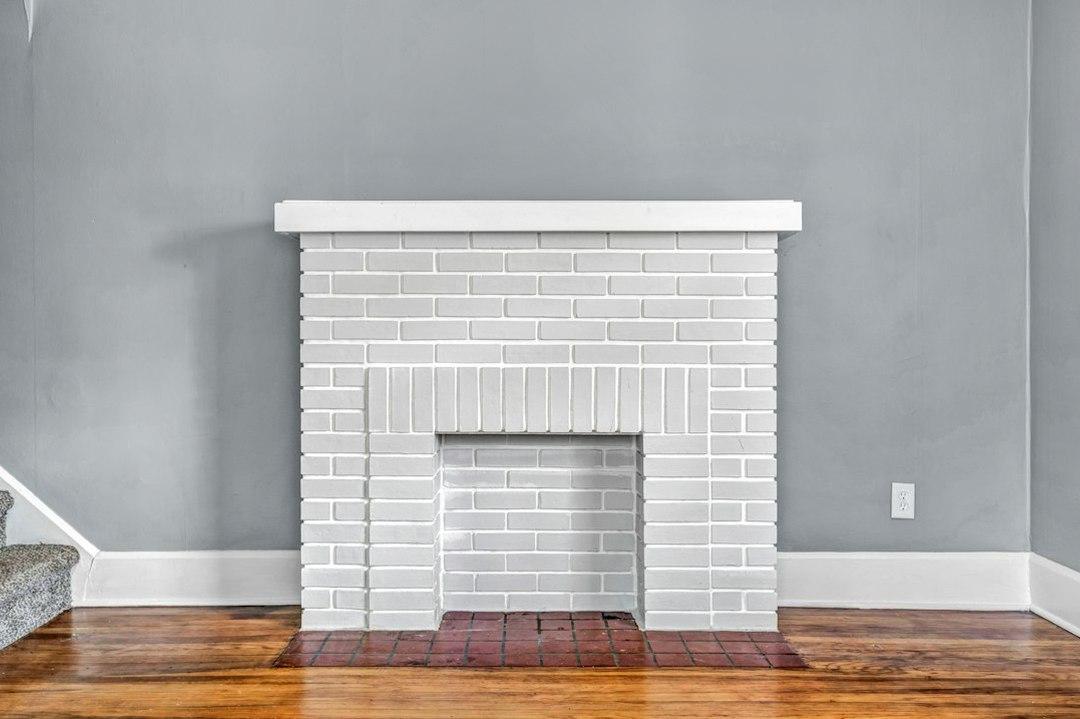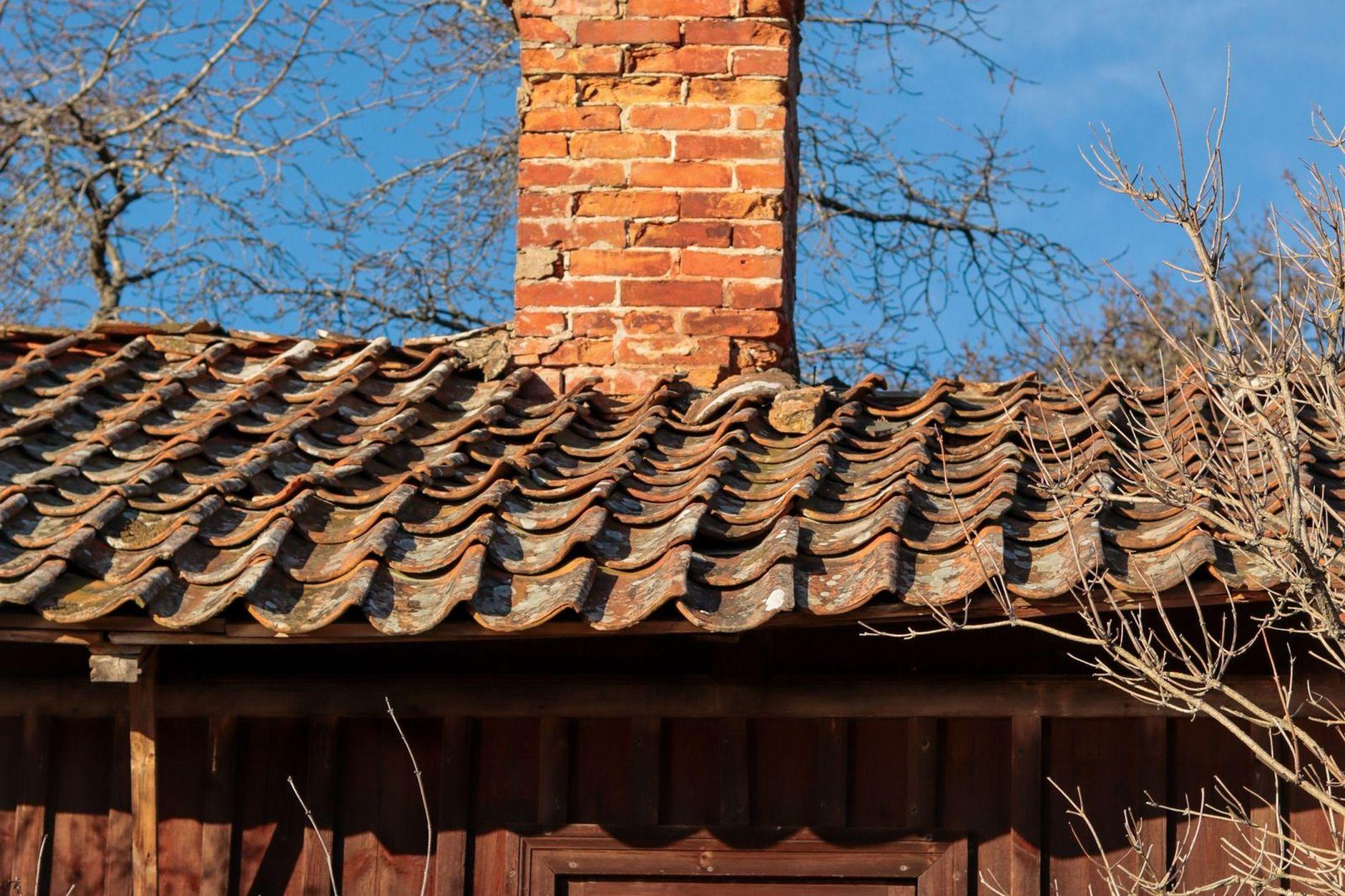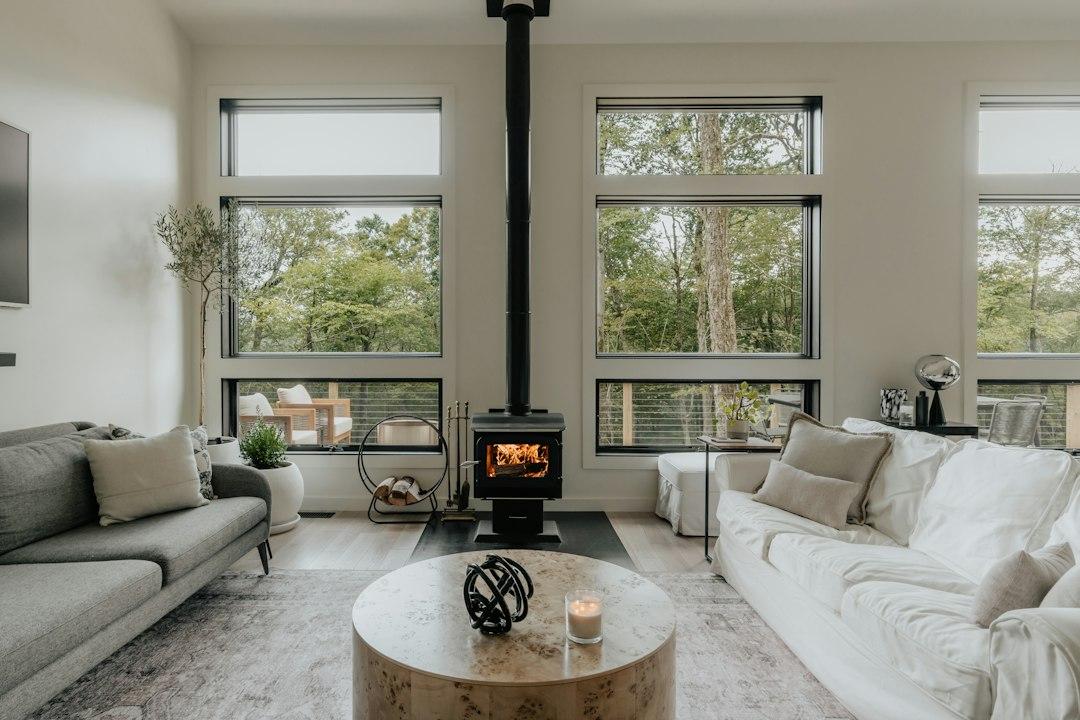
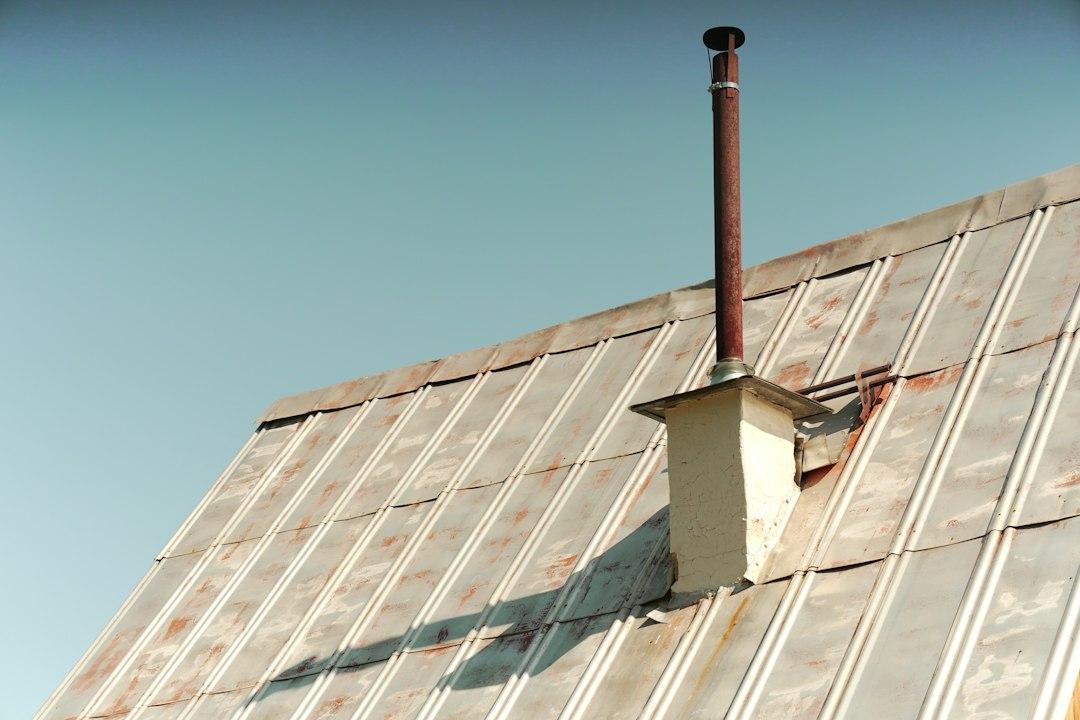
The fireplace nobody lit during the showings
Nobody lights a fire at an open house. A buyer in Buena Park can walk through a home five times, measure every bedroom and test every tap, and still have no idea whether the fireplace pulls its smoke up or pushes it into the room. The answer usually arrives on the first cold evening after the keys change hands, when it is too late to ask the seller about it.
That gap is why buyers book a Level 2 chimney inspection during escrow. This post covers what it looks at, what it costs at Guthrie Chimney Company, and how its findings turn into something you can act on before closing.
Three depths of chimney inspection
NFPA 211, the standard most of the chimney trade works to, describes inspections at three depths. The lightest, Level 1, checks by eye whatever is reachable from inside the room and up on the roof. The middle one sends a camera up the inside of the flue and adds the attic, the crawl space and the roof line. The deepest cuts into a finish or into the brick to get at a hidden part, and it only comes up when a lower level has pointed at something concealed.
For a sale, the standard names the middle depth, Level 2. The reasoning holds up in practice: you are taking on a chimney whose history you cannot know, and the parts most likely to have failed are the ones nobody can see from the hearth.
What a Level 2 looks at, from the draft side
Our company spends most of its time on fireplaces that smoke, smell or will not draw, so we read a Level 2 with that in mind. Alongside the safety items every inspector covers, the report answers a buyer's practical question: will this thing work?
- Flue size against the opening. A firebox widened during an old remodel can outgrow its flue. We measure both.
- The condition of the tile. Cracked or missing liner tiles let smoke and heat leak sideways into the framing, and they slow the draft.
- Offsets and obstructions. A bend in the flue, a fallen brick, an old nest or a heavy layer of creosote all choke the passage.
- The smoke chamber and damper. Rough, stepped masonry above the damper and a plate that will not open fully are two of the most common reasons a fireplace spills.
- Height and surroundings. A stack that stops short of a nearby ridge, or sits beside a taller addition, can be pushed into reverse by wind.
- Gas, where there is gas. The vent, the valve and how cleanly the burner runs.
Older chimneys in this part of Orange County have also lived through some strong shaking. A clay tile that cracked when the Whittier Narrows fault moved in 1987, or in the 1994 quake, can sit unseen for decades and only show up on camera.
What it costs
A Level 2 with a recorded camera run is $410 for a chimney with one flue. A Level 1, the visual look, is $175, and it suits a chimney you already know well and burn in your usual way. For a purchase it leaves the flue itself unexamined, which is where most expensive surprises sit.
If the report turns up work, one of the commonest fixes has a published figure: a sweep from $440. A new cap is quoted after we measure, and its price depends on the size of the chimney top. Everything else, from tile repair to a new liner, gets a written price once the scope is clear, so the number can go straight into a repair request.
Book a Level 2 for the house you are buying and include the property address and the date your inspection period ends.
Timing inside escrow
The useful moment to call is early in escrow, while the inspection period still has room for a repair request and the seller still has time to respond. The general home inspection and the chimney inspection can happen in the same week; neither has to wait for the other. If you live out of the area, your agent can arrange access, and you do not need to be there.
We do ask that the fireplace stay unlit the evening before, where that is in the seller's hands, because a hot firebox cannot be looked at closely.
What the report gives you
Each finding comes with a photo or a still from the video, the place we found it, and a plain-language note on what it means: a safety matter, a draft matter, or ordinary wear to keep an eye on. That ranking matters in a negotiation. A cracked tile behind the smoke shelf and a rusty cap screen are not the same conversation, and the report makes the difference clear to everyone reading it.
The report goes to you. If you want your agent or your lender to have a copy, add their names on the booking and we include them.
After closing
If the inspection comes back clean, you will still want the flue brushed and looked at again once you have used the fireplace for a season. If it comes back with work, our up to code repairs page lists the usual fixes and how they are priced. Sellers wanting to get ahead of all this can read our home sale page, and agents can start with the page written for them. The Level 2 service page has the full checklist.
Buying in Buena Park or nearby and want the chimney answered before you sign? The contact page is the place to start, with the address and the name on the purchase.
Want the Cause Found at Your House?
A Guthrie visit follows the smoke from the firebox to the cap, names what is wrong in plain words and puts the price in writing. Crews work out of Buena Park and cover La Mirada, Artesia, Garden Grove and the other cities on our areas page.