"It smokes every time we light it"
That sentence, or something close to it, opens most of the fireplace calls we take from Buena Park. The details change from house to house. One family sees a grey haze hanging under the ceiling after an evening fire. Another gets a puff that rolls out over the mantel each time the back door opens. A third has not lit the thing since spring and still notices a sour, campfire smell in the living room on warm mornings. All three are draft complaints, and every one of them has a cause that can be found, named and priced.
This guide covers why a chimney pulls, the common reasons it stops, and what Guthrie Chimney Company charges to put each one right. Any listed rate appears below. For jobs without one, we say what written quote you get.
What makes smoke go up in the first place
Hot gas weighs less than the cooler air in the room. A tall column of it inside the flue climbs and drags fresh air in through the fireplace opening behind it. That pull is all draft is. It holds as long as three things stay true: the flue is warm, the passage is open from the damper to the top, and the house can supply as much air as the chimney is carrying away.
Take away any one of those and the fire keeps making smoke, but the chimney stops accepting all of it. The leftover rolls out along the top edge of the opening. That is why the first soot mark on a smoky fireplace appears on the face of the brick just above the firebox, long before anything shows on the ceiling.
The usual suspects, cheapest first
A cold column of air. A chimney on an outside wall fills with cool, heavy air between fires. A new fire has to shove that plug out before its smoke can rise, and for the first few minutes some of it comes back into the room. This is about how the fire is started, not about a fault. On the visit we show you how we would get a fire going in your particular firebox, and nothing needs repairing.
Buildup narrowing the flue. Soot and creosote coat the tile and shrink the space the smoke has. They also roughen the walls, so the gas drags as it climbs. A sweep clears it. Our chimney sweep starts from $440.
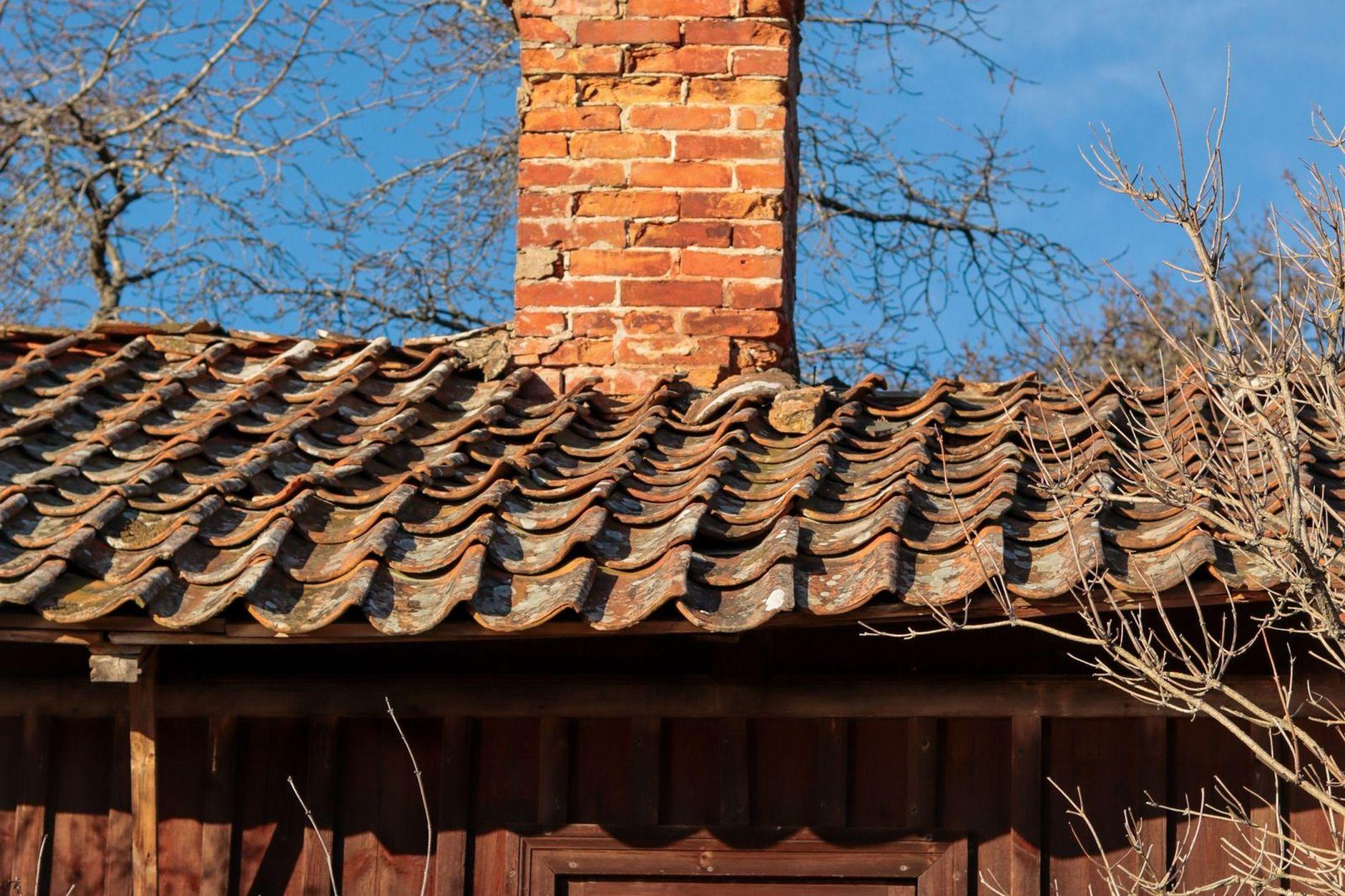
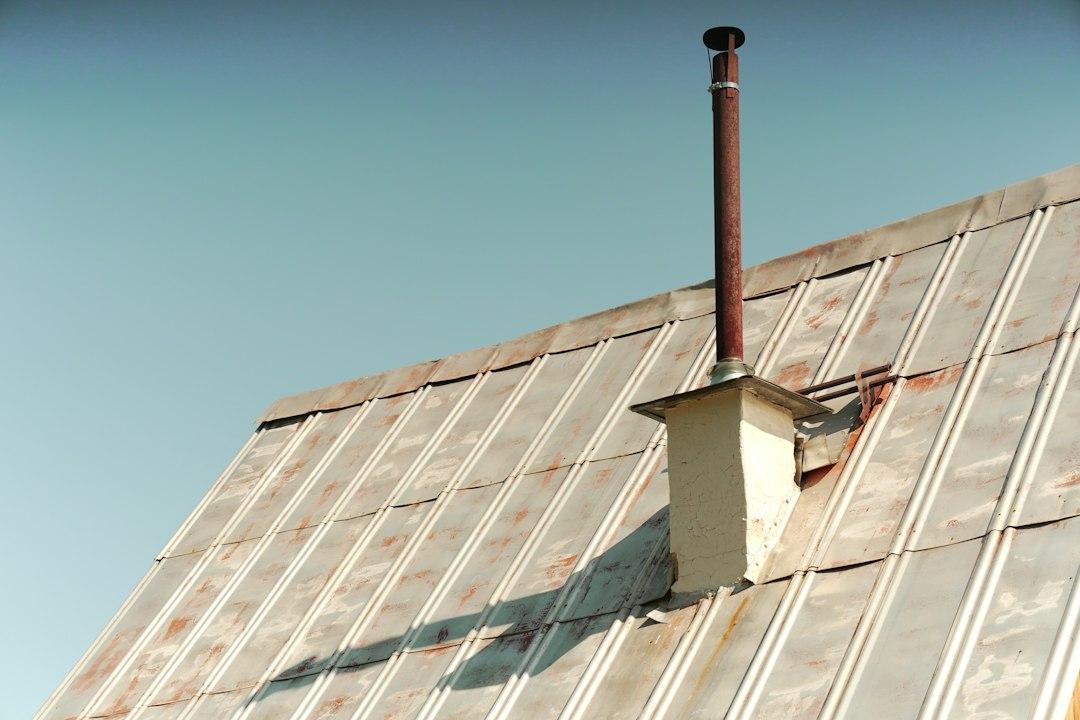
Something sitting on top. A nest, a mat of leaves blown in by a Santa Ana wind, a cap screen packed solid with soot. The smoke reaches the top and finds nowhere to go. Clearing that is part of the sweep. If the cap itself has rusted through or blown off, a new one is quoted on site, and the price depends on the size of the chimney top and the metal.
A damper that only opens part way. A warped plate or a seized hinge leaves the throat half closed, and the fireplace behaves as if the flue were half its size. Our damper repair page covers the options. We do not publish a figure for damper work, because swapping one plate and replacing a whole assembly are very different jobs. You get the number on paper before we start.
A house that is short of air. Kitchen hoods, bath fans, clothes dryers and a furnace all push air out of the house. Newer windows and doors keep it from coming back in. When the house exhausts harder than the chimney pulls, the chimney turns into the intake and smoke pours down instead of up. The answer is often a change in how the house is run while a fire burns, and sometimes an outside air supply for the fireplace, priced once we have looked.
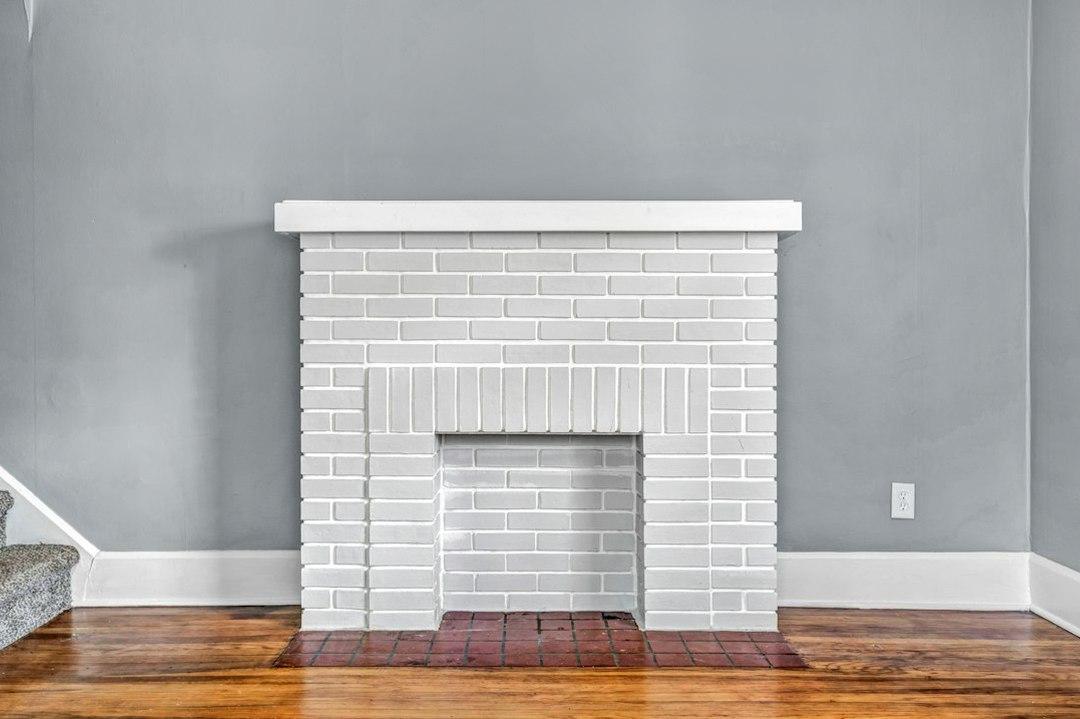
An opening too big for the flue. Fireboxes get widened during remodels, and some were built generous to begin with. Building codes tie the size of the flue to the size of the opening it serves, and when the opening wins, the smoke spills. A metal smoke guard across the top of the opening, a set of glass doors, or in some cases a new liner brings the two back into balance. Each one is measured first and priced on paper.
A chimney too short for its roof. A stack that ends below a nearby ridge, or beside a second-storey addition, sits in swirling air that pushes down the flue on windy days. An extension or a wind-directional cap usually settles it.
What the draft visit looks like
We start in the room, not on the roof. You tell us when the smoke appears, and we try to make it happen. We burn a small fire of our own seasoned wood, or run your gas set, and stay in the room while it settles. A smoke pencil held at the corners of the opening shows whether air is going in or coming out. Then we switch on the hood, the bath fans and the dryer and watch what changes. A carbon monoxide meter runs in the room the whole time.
After that we look at the damper, the smoke chamber and as much of the flue as a strong lamp shows, and we go up to see what sits on top and how the chimney stands against its roof. If the cause is hiding higher up the flue, we recommend a camera.
What decides the price, and what we publish
Your total depends on which of the causes above turns up. Our own figures:
- Seasonal brushing of a single flue: from $440
- Visual look at the fireplace and chimney (Level 1): $175
- Recorded camera pass up the flue (Level 2): $410
- Replacement cap, fitted: quoted after we measure
Damper work, smoke guards, outside air kits, extensions and liners carry no published figure. Each depends on parts and measurements, and you get a written price for it before any work starts. Plenty of smoky fireplaces in Buena Park end with a sweep and a change of habit and nothing more.
Ask for a draft visit and tell us when the smoke shows up: while lighting, once the fire is going, or when a door opens.
A word on carbon monoxide
Smoke you can see is a nuisance. The gas you cannot see is the reason we take it seriously. A fireplace that spills smoke is spilling carbon monoxide along with it, and so is a gas set that burns with a ragged yellow flame. If an alarm sounds, or people in the room get headaches that lift once they step outside, put the fire out, open the house and leave the fireplace alone until it has been checked. For gas units, our gas fireplace repair guide covers what that visit involves.
Where to go from here
If the fire smokes only for the first few minutes, start with the sweep. If it smokes all evening, ask for the draft visit, and we will tell you which of the causes applies. Our fireplace repair page lists the fixes we carry out, and the comparison of sweep, liner and cap puts the three common draft repairs side by side.
Our contact page is the way in. Say roughly what the fireplace does and which room it sits in, and we will arrange a time to come and watch it misbehave.
Want the Cause Found at Your House?
A Guthrie visit follows the smoke from the firebox to the cap, names what is wrong in plain words and puts the price in writing. Crews work out of Buena Park and cover La Mirada, Artesia, Garden Grove and the other cities on our areas page.