One complaint, three likely answers
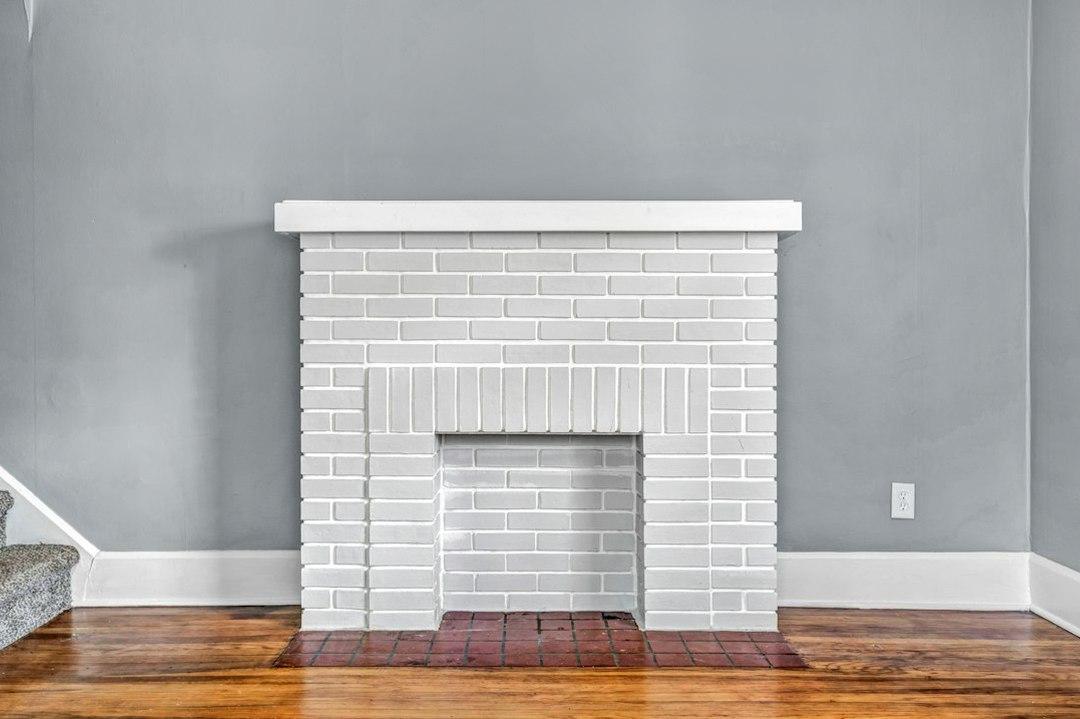
"The fire just sits there and sulks." "Smoke curls out the top of the opening." "It only behaves with the patio door open." When a Buena Park homeowner describes a fireplace that will not pull, the fix is usually one of three jobs: a sweep, a new cap, or a new liner. They sit at very different price points, and they solve different problems. Picking the wrong one first wastes money and leaves the smoke where it was.
This post sets the three side by side from the angle Guthrie Chimney Company works from every day: draft. What each repair changes inside the chimney, what it costs, and how we decide which one your fireplace needs.
The sweep: when the flue has shrunk
What it fixes. Creosote and soot narrow the flue and roughen its walls. Smoke has less room and more drag, so it climbs slowly and some of it gives up and comes back out. Brushing the flue back to bare tile restores the space it was built with.
What it costs. From $440 for one flue.
When it is the answer. The fireplace used to work and has slowly got worse. It burns wood regularly. Nobody can remember the last cleaning. In those cases we sweep first, every time, because it is the cheapest fix and it also lets us see the tile underneath.
When it is not. If the flue is already clean, a sweep changes nothing. And a sweep cannot widen a flue that was too small to begin with.
The cap: when the trouble starts at the top
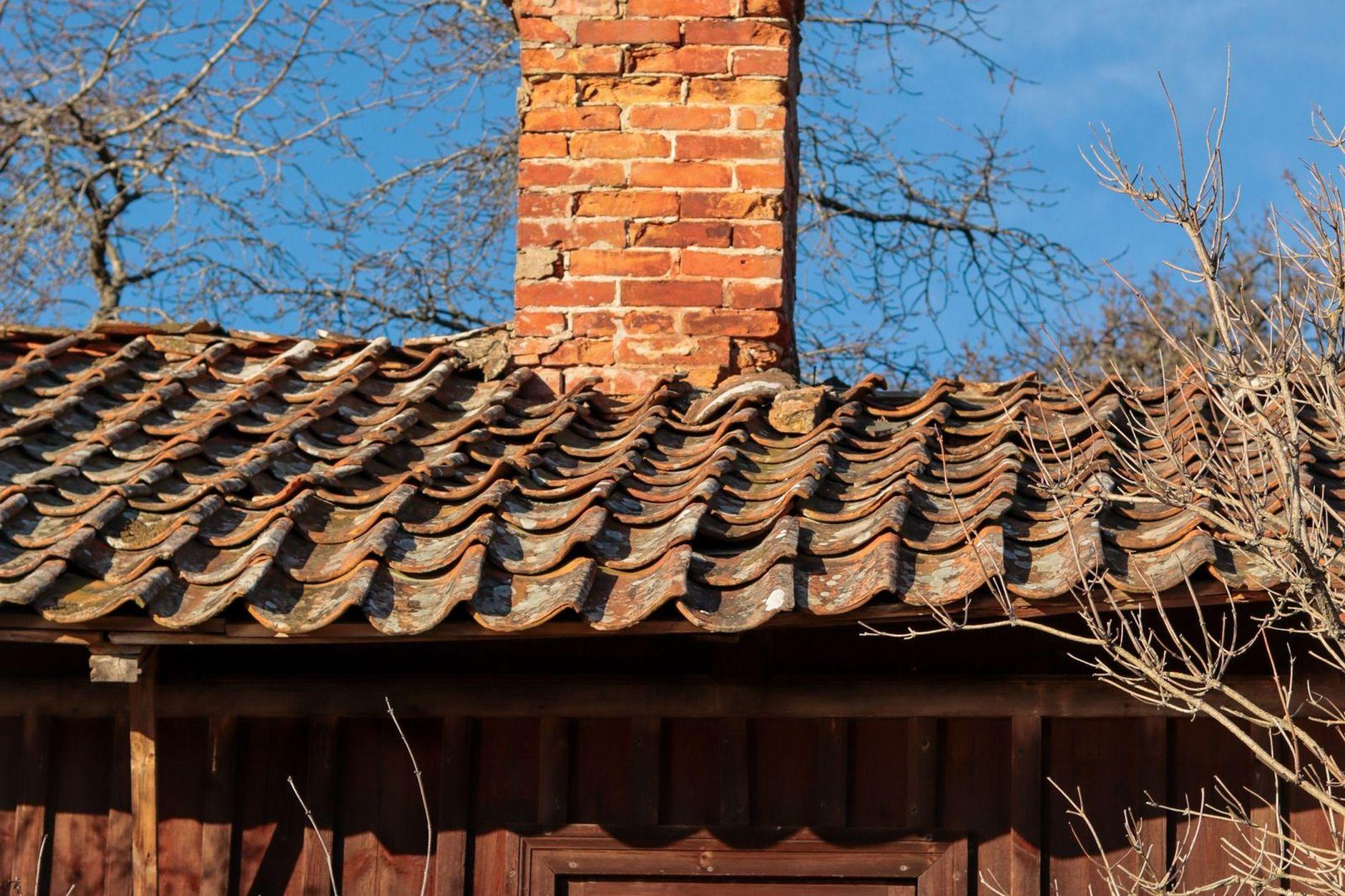
What it fixes. Most of the draft trouble a cap solves comes from outside. Wind rolling over a roof can push straight down an open flue. Rain soaks the tile, cools it and slows the draft on the next fire. Nests and leaves block the top outright. A properly sized cap shields the opening from all three. On chimneys that sit in gusty spots, a wind-directional cap turns with the breeze and keeps the outlet on the sheltered side.
What it costs. We measure the top before we put a price on a cap. One flue under a standard stainless cap is quick work. Oversized, multi-flue or made-to-measure tops take the most.
When it is the answer. The fireplace smokes on windy days and behaves on still ones. You find twigs or feathers in the firebox. There is no cap at all, or the one that is there has rusted into a lace.
When it is not. A cap cannot fix a flue that is cracked, blocked lower down or the wrong size, and a cap with a fine screen packed with soot can make draft worse until it is cleaned. Our cap installation page has the fitting details.
The liner: when the flue itself is the problem
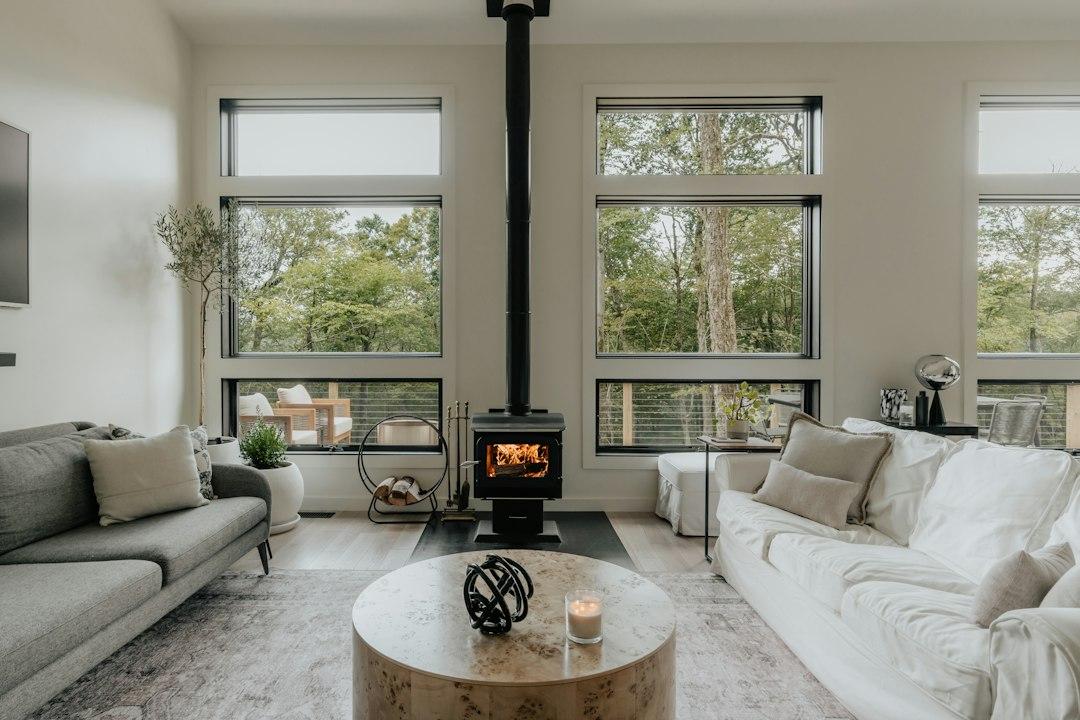
What it fixes. A liner gives smoke a sealed, smooth, correctly sized path from the firebox to the top. That matters for three kinds of chimney: one where the clay tiles have cracked or shifted, one that was built with no liner at all, and one whose flue is mismatched to its opening or to an appliance. A round stainless liner of the right diameter heats up quickly, and warm smoke in a tube that fits it rises with purpose.
What it costs. We do not publish a liner figure. Height, diameter, the material, any insulation and how much the old flue has to be opened up all move the total, so we measure first and put the price on paper before work begins. Our liner installation page explains the job in more depth.
When it is the answer. A camera shows cracked or missing tiles. The flue is far too large or too small for what it serves. You are adding an insert or switching fuels. Smoke has been seen escaping somewhere other than the top, such as an attic or the far side of a wall.
When it is not. A liner will not cure a house that is starving the fire of air, or a damper stuck half shut.
When a chimney needs two
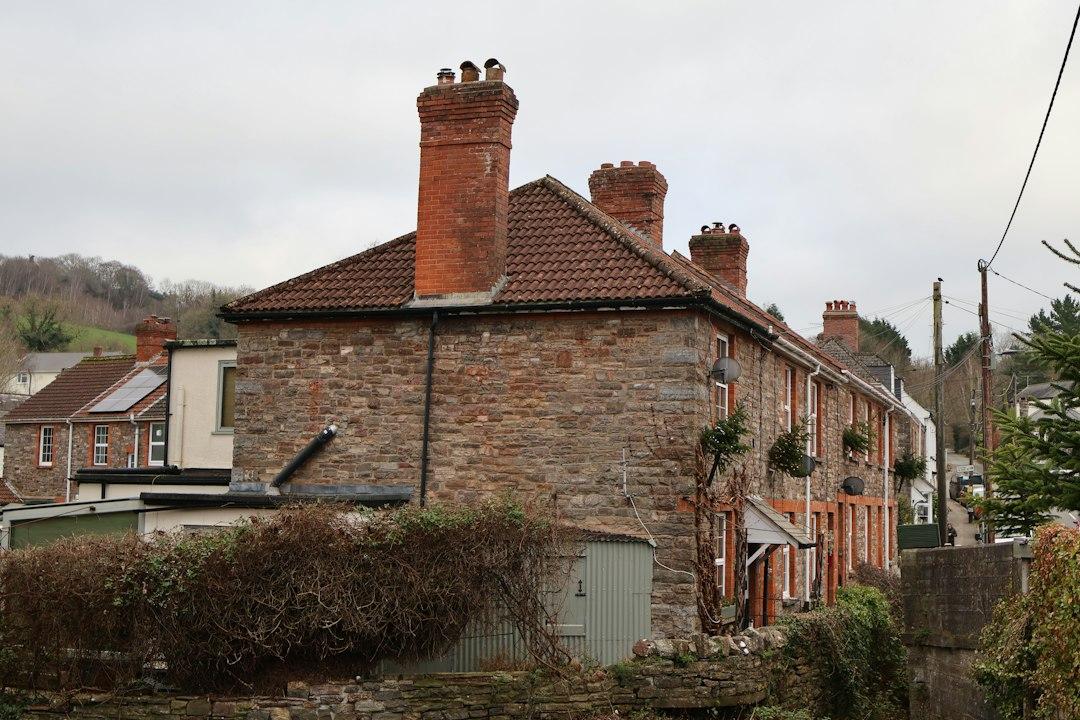
Plenty of chimneys need more than one of these. A common pairing is a sweep and a cap: the sweep clears the flue, and the cap stops the leaves and the rain that made it worse. Another is a liner and a cap, since the liner is closed off at the top and the old cap seldom fits the new arrangement. Plenty of Buena Park houses date from the postwar building years, and their original clay tiles have had several decades of heat, rain and the odd earthquake. Those are the chimneys most likely to need the liner as well.
How we decide, and what decides the price
We start with what you tell us about the fire, then look. The usual steps, and what each one costs:
- Brushing and a look at the tile: from $440
- A visual check of the fireplace and chimney (Level 1): $175
- A recorded camera trip up the full height of the flue (Level 2): $410
- Liner: measured, then priced in writing
- Cap supply and fitting: quoted after we measure
If a sweep and a careful look explain the draft, we stop there. If the tile is hidden or doubtful, the camera settles it, and the recording is yours to keep.
Ask which fix your chimney needs and tell us how the fire behaves on a calm night compared with a windy one.
Things that look like draft problems but are not
Two causes outside the chimney fool people often. A kitchen hood or a bath fan pulling hard can drag smoke back down any flue, however good. And a damper that only opens part way makes the chimney act as if it were half its size. Our damper repair guide covers the second, and the smoky fireplace guide runs through the first.
Booking
We cover Buena Park and the surrounding cities on our areas page. When the fire sulks, go to our contact page and describe what it does; we will suggest where to begin.
Want the Cause Found at Your House?
A Guthrie visit follows the smoke from the firebox to the cap, names what is wrong in plain words and puts the price in writing. Crews work out of Buena Park and cover La Mirada, Artesia, Garden Grove and the other cities on our areas page.