Two opposite complaints, one small part
"The handle will not budge and the room fills with smoke." "It is freezing next to the fireplace, and the whole living room smells like an old campfire." Those sound like opposite problems, and in a way they are. Yet in Buena Park homes they very often trace back to the same piece of iron: the damper.
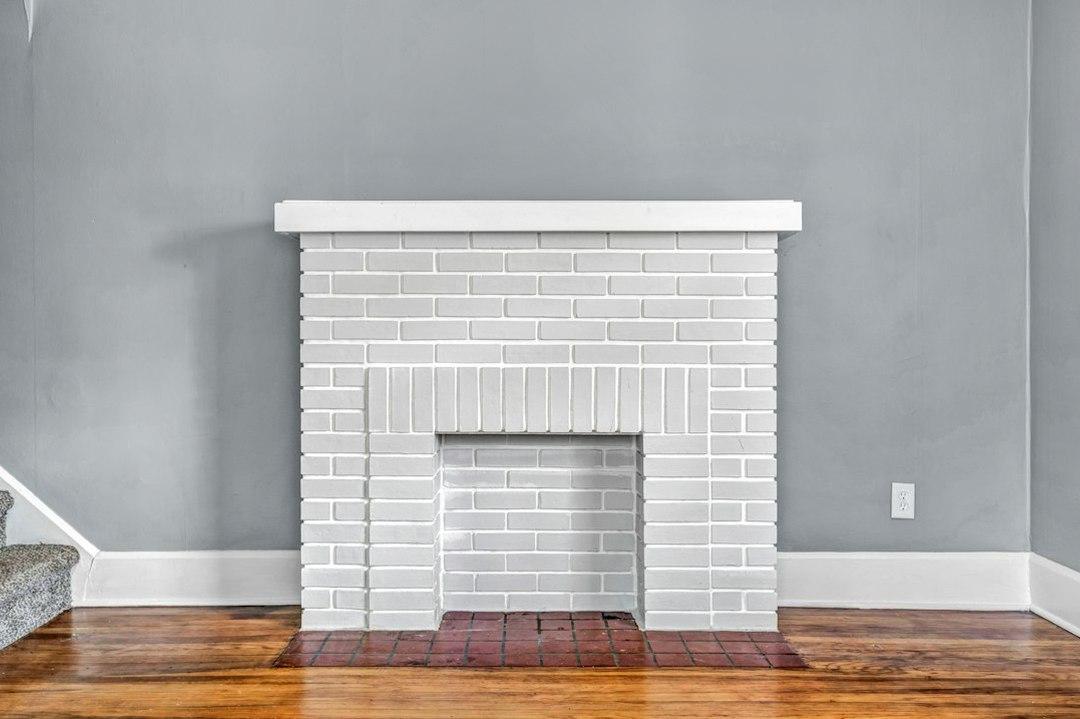
Above the firebox sits the damper, a hinged steel plate: open, it lets smoke rise; shut, it keeps warm room air from escaping. When it sticks part way, the chimney behaves as though it were half its size and smoke spills into the room. When it never closes tightly, the chimney works in reverse between fires, pulling warm air out and letting cold, creosote-scented air drift down. This post explains why dampers fail, what the repair choices are, and how Guthrie Chimney Company prices them.
Why dampers stop working
A damper lives in a hard spot. It gets hot during every fire, cools overnight, and catches whatever rain comes down an uncovered flue. Over the years that cycle does predictable things:
- Rust. The plate and the pivot scale up until the plate drags or seizes. Rust flakes in the firebox are a common clue.
- Warping. Heat bends a thin plate so it no longer lies flat, which leaves a gap on one side even when the handle says closed.
- Broken linkage. The handle, the notched bar or the rotary control snaps or slips, so moving it no longer moves the plate.
- Creosote glue. Tarry deposits on the edges stick the plate to its frame.
- A missing plate. Now and then we find that someone removed the plate entirely, years ago, leaving the throat permanently open.
The smell that comes down the chimney
The second complaint is the one people find harder to explain. Warm air rises inside a house and leaks out near the top. Fresh air is drawn in low to replace it. A fireplace sits low, and a chimney with a poorly sealed damper is an easy inlet. Run a bath fan, a kitchen hood or a dryer and that pull grows stronger. The air coming down passes over years of soot on the way, which is why the room smells like an ashtray on warm afternoons, even though nobody has lit a fire in months.
A sweep removes some of that smell. A damper that actually seals removes the rest.
The repair choices
Free and adjust the existing damper. If the plate is sound, we clean the edges, free the pivot, and repair or replace the handle and linkage. This is the lightest option and suits a damper that has simply been neglected.
Replace the plate or the throat assembly. When the plate has warped or rusted thin, a replacement plate or a complete throat damper can go in from below. Older or unusual sizes are sometimes no longer made, and in that case we say so rather than force a poor fit.
Fit a damper at the top of the chimney. A lid sits on the chimney top and closes down onto a rubber seal, worked from a handle mounted inside the firebox. Because it seals at the top, it stops the cold air and the smell far better than an old plate ever did, and it shuts out rain and nesting birds in the bargain. It is often the better choice when the old throat damper is beyond saving or awkward to replace.
Lock the damper open for gas logs. A vented gas log set needs its flue open all the time. If we find gas logs over a damper that can close, we fit a clamp that holds it in a permanently open position. That is a safety repair, not an upgrade.
Our damper repair service page covers each option in more depth.
What decides the price
We do not publish a damper figure, because the work ranges from an hour with a wire brush to a lid fitted on top of the chimney. What moves the price is the condition of the plate and frame, whether a replacement exists for your size, how easy the throat is to reach, and which of the options above makes sense for how you use the fireplace. After we have looked, you get a written price for the repair you choose, with the alternatives beside it where there are any.
Two published figures often come into the same visit. A sweep from $440 clears the creosote that glues dampers shut and gives us a clean look at the frame. A Level 1 inspection at $175 covers the damper together with the firebox, the smoke chamber and the reachable flue, which is the sensible scope when you are not sure the damper is the whole story.
Ask for a damper visit and tell us whether the handle moves, where it stops, and whether you feel cold air at the opening on a breezy night.
How the damper fits the draft picture
Our work centres on fireplaces that smoke, smell or refuse to pull, and the damper is the first thing we check on every one of those visits, because it is the cheapest cause to rule out. A plate that opens only part way is the most common reason a well-built chimney smokes. Once it swings fully open and closes snugly, we test the draft with a small fire and carry on up the flue if the smoke still misbehaves. If the problem turns out to be higher up, our comparison of sweep, liner and cap explains what comes next, and the smoky fireplace guide lists the other usual causes with prices.
Booking in Buena Park
We work on dampers in Buena Park and every city on our areas page. When the handle sticks or the room smells of old smoke, head to our contact page, describe what the handle does, and we will book a visit to look at the plate.
Want the Cause Found at Your House?
A Guthrie visit follows the smoke from the firebox to the cap, names what is wrong in plain words and puts the price in writing. Crews work out of Buena Park and cover La Mirada, Artesia, Garden Grove and the other cities on our areas page.